
overhead sewer conversion
Overhead Sewer Conversions in Rolling Meadows
We handle overhead sewer conversions for homeowners that are dealing with sewage coming up into their basement! We serve Arlington Heights, Palatine, Mount Prospect, Schaumburg, Des Plaines, and many of the surrounding areas, and we are also able to help you with your village's rebate.
Licensed & Insured · Family-Owned Since 2004 · 1-Year Labor Warranty
Why Sewage Comes Up Through Your Basement Floor Drain
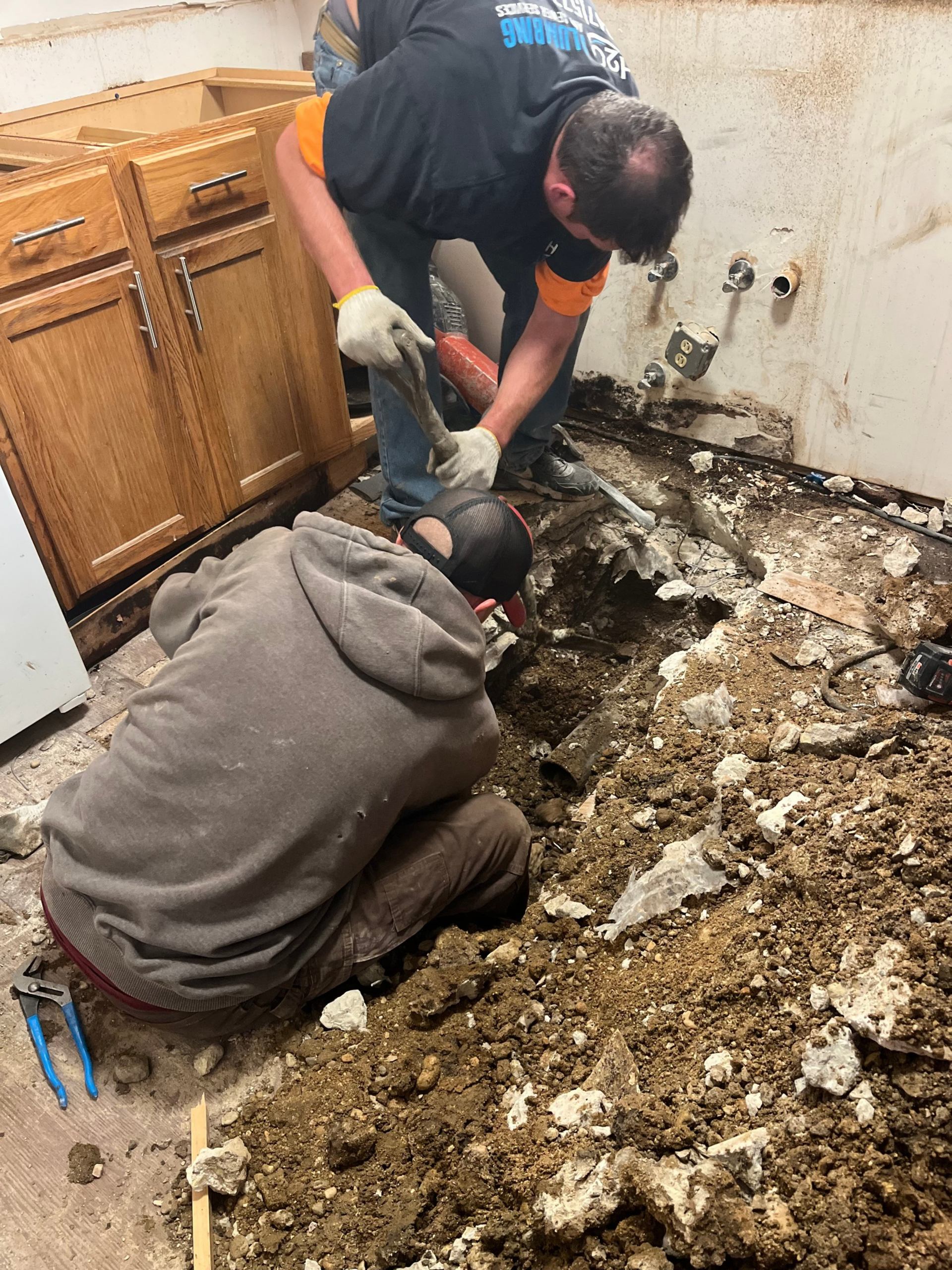
Here in the Northwest Suburbs, a lot of the older homes have what's called a gravity sewer. A gravity sewer means the plumbing in your basement drains down under the floor and then out to the village's main line, and for most of the year, this doesn't cause any type of problem. However, during heavy storms, the village's main line can take in more water than it was designed to handle, and when this happens, it's called surcharging. When the main line surcharges, the water and sewage in it needs to escape somewhere, and it will usually end up escaping through the lowest point it's connected to, which in a lot of homes is the floor drain in the basement.
Not only that, but this is very much possible even if your own sewer line is in good shape, as the problem is coming from the main line and not your home. That's also why when one home on your street has sewage come up during a storm, there's a good chance some of your neighbors are dealing with the same thing.
Signs Your Home May Need an Overhead Sewer
Sewage Has Come Up Through Your Floor During A Storm
Your Neighbors Have Had Sewage Backups in their Basements
Your Home Was Built Before the Mid-1970s and Still Has the Original Gravity Sewer
Your Basement is Finished or Has a Bathroom in it
You Keep Items in your Basement That Would Be Expensive to Replace
What Is an Overhead Sewer?
An overhead sewer is a system where the plumbing in your basement no longer drains down below the floor. Instead, anything in your basement that's below the level of your sewer line, like floor drains, laundry rooms, and bathrooms, will drain into a sealed pit. An ejector pump in the pit then pumps the waste upward to a pipe that runs along your basement ceiling, and from there, the waste leaves your home and goes out to the village's main line normally.
Since nothing in your basement is connected to the main line below the floor anymore, there is no way for sewage to come back up into your basement, even when the main line surcharges during a storm. This is why overhead sewers are recommended for homeowners that have dealt with backups before, and it's also why so many villages around here are willing to help pay for them.
How We Handle Overhead Sewer Conversions
Step 1:
Camera Inspection and Free Estimate
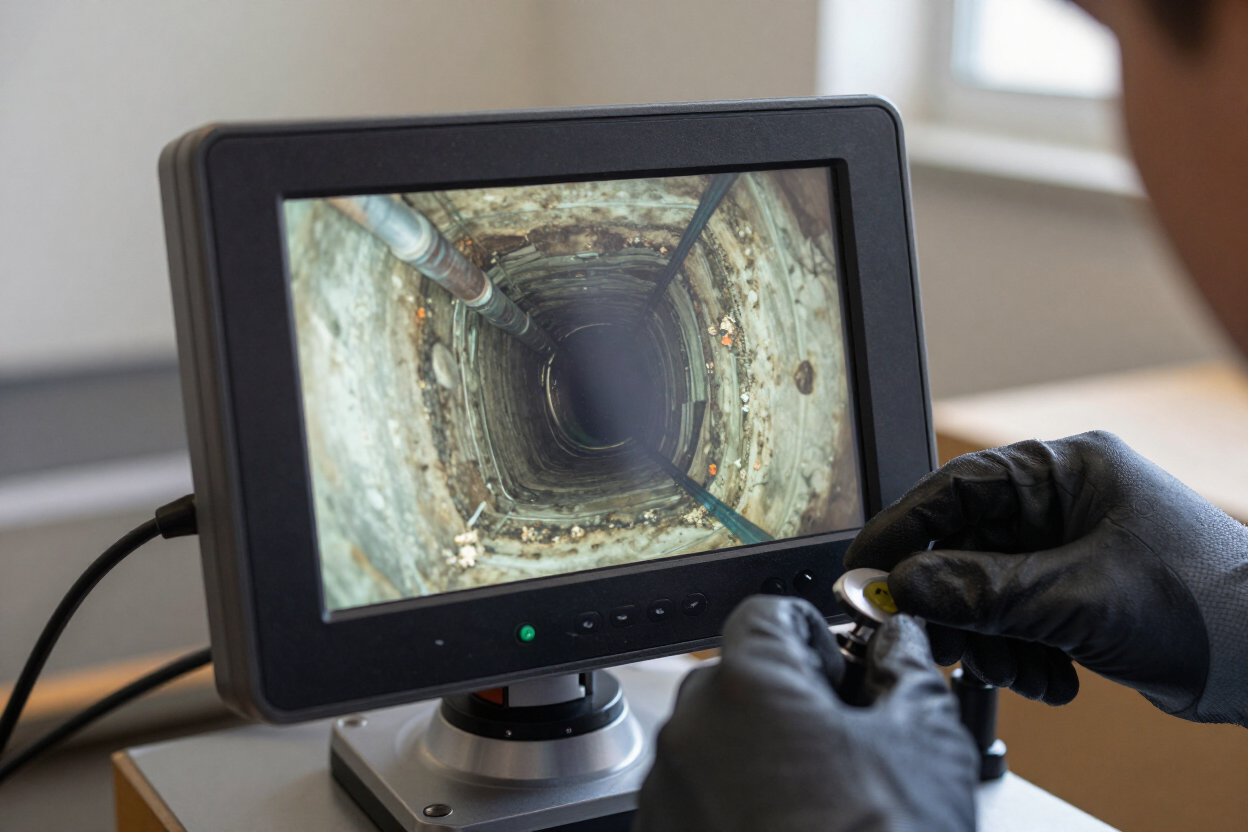
We will start by running a camera down your current sewer line to check the condition it's in. Then, we will go through your basement and figure out the best spot for the pit and the overhead line. Once we figure out the details, we will provide you with a free estimate. If you live in Arlington Heights, the village requires a camera inspection to apply for their rebate, so this will take care of that for you as well.
Step 2:
Village Approval and Permits
If you're applying for a rebate, your application will need to be submitted and approved by your village before any work can begin. We will help you with certain parts of the application, and once it's approved, we will retrieve the necessary permits to go forward with the conversion.
Step 3:
Cutting the Pit and Rerouting the Plumbing
We will cut an opening in your basement floor to install the pit, and then reroute anything below the sewer line to drain into it. If your footing drains are connected to your sewer, they will usually need to be disconnected and sent to a sump pump, and some villages do require this to qualify for their rebate.
Step 4:
Installing the Ejector Pump and Overhead Line
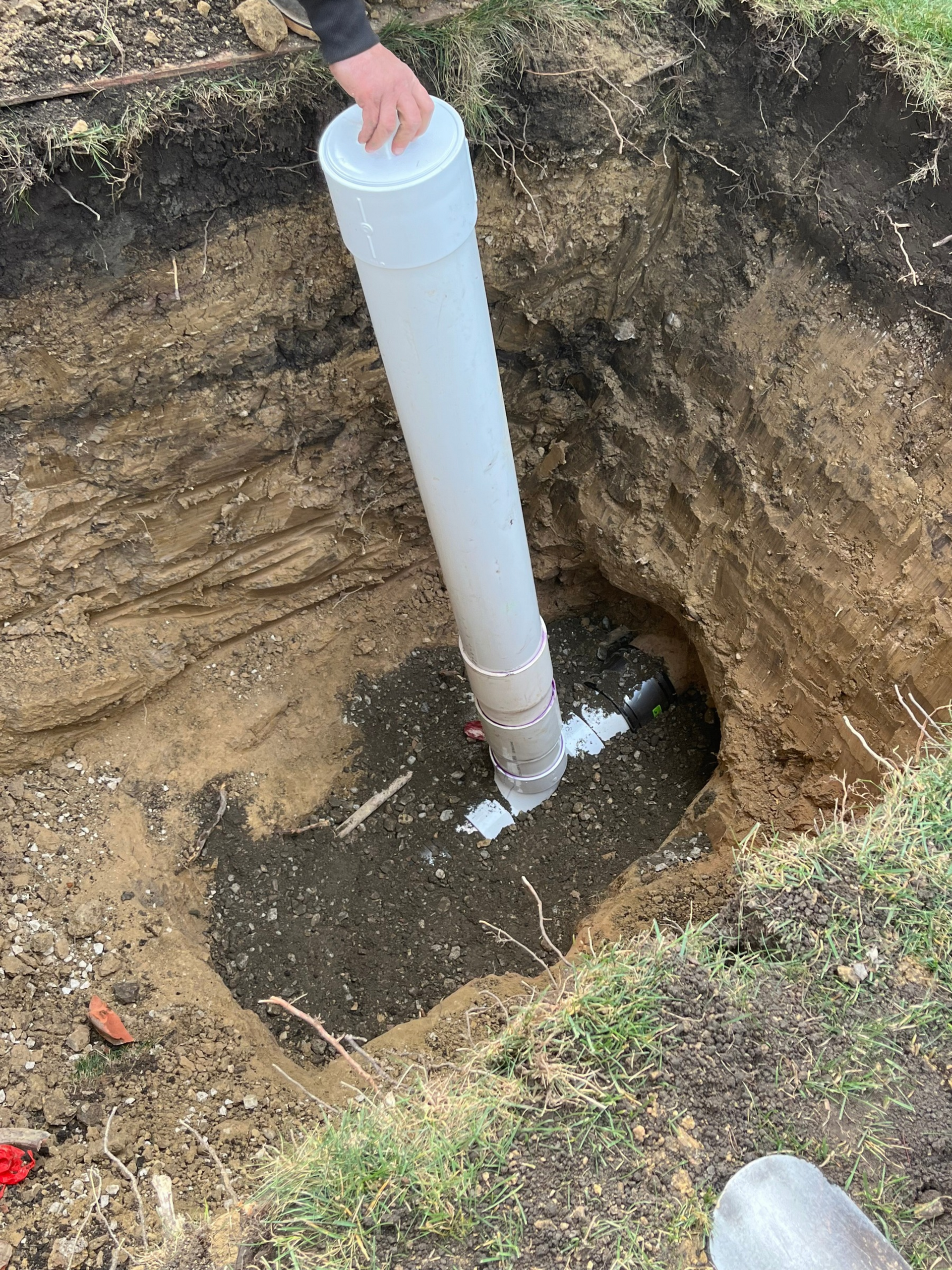
Once the pit is in place, we will install the ejector pump, run the new overhead line, and disconnect the old line under your basement floor. Then, we will test the system to ensure it's turning on and pumping everything out properly.
Step 5:
Final Inspection
Your village will come out to inspect the work and sign off on it. If you're applying for a rebate, you will then be able to submit your paperwork to get reimbursed, and we will be on our way!
The Tradeoffs
We always have your best interests in mind, and we want to make sure you know the tradeoffs of an overhead sewer before making any decisions. To start, it is not a cheap job, and it does require opening up part of your basement floor. The ejector pump also needs power to run, so if the power goes out, you will either need a battery backup or you will need to avoid using the plumbing in your basement until the power comes back. Ejector pumps also typically last 7-10 years, so at some point down the road, the pump will need to be replaced.
If your basement is not finished, there's nothing valuable down there, and you've never had sewage come up through your floor drain, this honestly might not be something that you need right now. But, if you have had a backup before, or if your basement is finished, an overhead sewer should definitely be something you consider.
Your Village Will Help Pay For It
Many villages in the Northwest Suburbs will actually help pay for an overhead sewer conversion, and some of them will even cover most of the cost. Here are some of the rebates currently being offered in the areas we serve:
Arlington Heights: 75% up to $11,250
Mount Prospect: 50% up to $7,500
Palatine: 50% up to $6,000
Schaumburg: 50% up to $5,000
Des Plaines: 30% up to $2,000 through the Flood Rebate Program
Most of these villages require your project to be approved before any work starts, and Mount Prospect will not reimburse any work that was done before approval. Each village has its own eligibility rules and requirements, and these programs can change, so please contact us at any time and we'll be happy to go over everything with you and find out what you qualify for. For more information, check out our Arlington Heights, Palatine, Mount Prospect, and Des Plaines pages.
Overhead Sewer Conversion FAQ
How much does an overhead sewer conversion cost?
The cost of an overhead sewer conversion mainly depends on the way your basement is currently set up. Before starting any work, we'll come out to assess the situation and provide a free estimate.
Will an overhead sewer stop all water from coming into my basement?
No, an overhead sewer will not stop all water from coming into your basement. It stops sewage from coming up through your floor drain, but if water is coming in through your walls, windows, or foundation, that's a separate problem with a separate fix.
What happens to my overhead sewer if the power goes out?
If the power goes out, the ejector pump will not run, but sewage from the main line still won't be able to come back into your basement. Make sure to avoid using the plumbing in your basement until the power is back on, or get a battery backup to keep your pump running.
Is an ejector pump the same thing as a sump pump?
No, ejector pumps and sump pumps are not the same thing. Ejector pumps take sewage from your basement plumbing up and out of your home, while sump pumps take water from rain or melting snow away from your home.
Do I need three estimates to get the rebate?
It depends on your village. Arlington Heights requires three contractor estimates to get the rebate, and we are able to provide one of those three estimates.
My basement is backing up with sewage. What should I do?
Leave the basement, stop using water in your home, and give us a call right away. Sewage being in your basement is a health hazard and needs to be handled by professionals immediately.
Schedule a Free Overhead Sewer Estimate
If you're looking to get an overhead sewer, H2O Plumbing and Sewer Services is the way to go! We offer free estimates for overhead sewer conversions in Arlington Heights, Palatine, Mount Prospect, Schaumburg, Des Plaines, and many of the surrounding areas. Feel free to give us a call any time at (224) 379-9591 or fill out the form below!
Thank you! We received your request and will be in touch shortly.
Looking to Convert to an Overhead Sewer?
H2O Plumbing & Sewer Services provides many sewer services, including overhead sewer conversion, for homeowners across Rolling Meadows, Arlington Heights, Palatine, Schaumburg, and the Northwest Chicago suburbs.