
Water Heater Repair & Installation in Rolling Meadows
We handle water heater repairs and installations with tank and tankless water heaters for residential and commercial properties! We offer 24/7 service, and we serve Rolling Meadows, Arlington Heights, Palatine, Schaumburg, and many of the surrounding areas.
Licensed & Insured · Family-Owned Since 2004 · 1-Year Labor Warranty
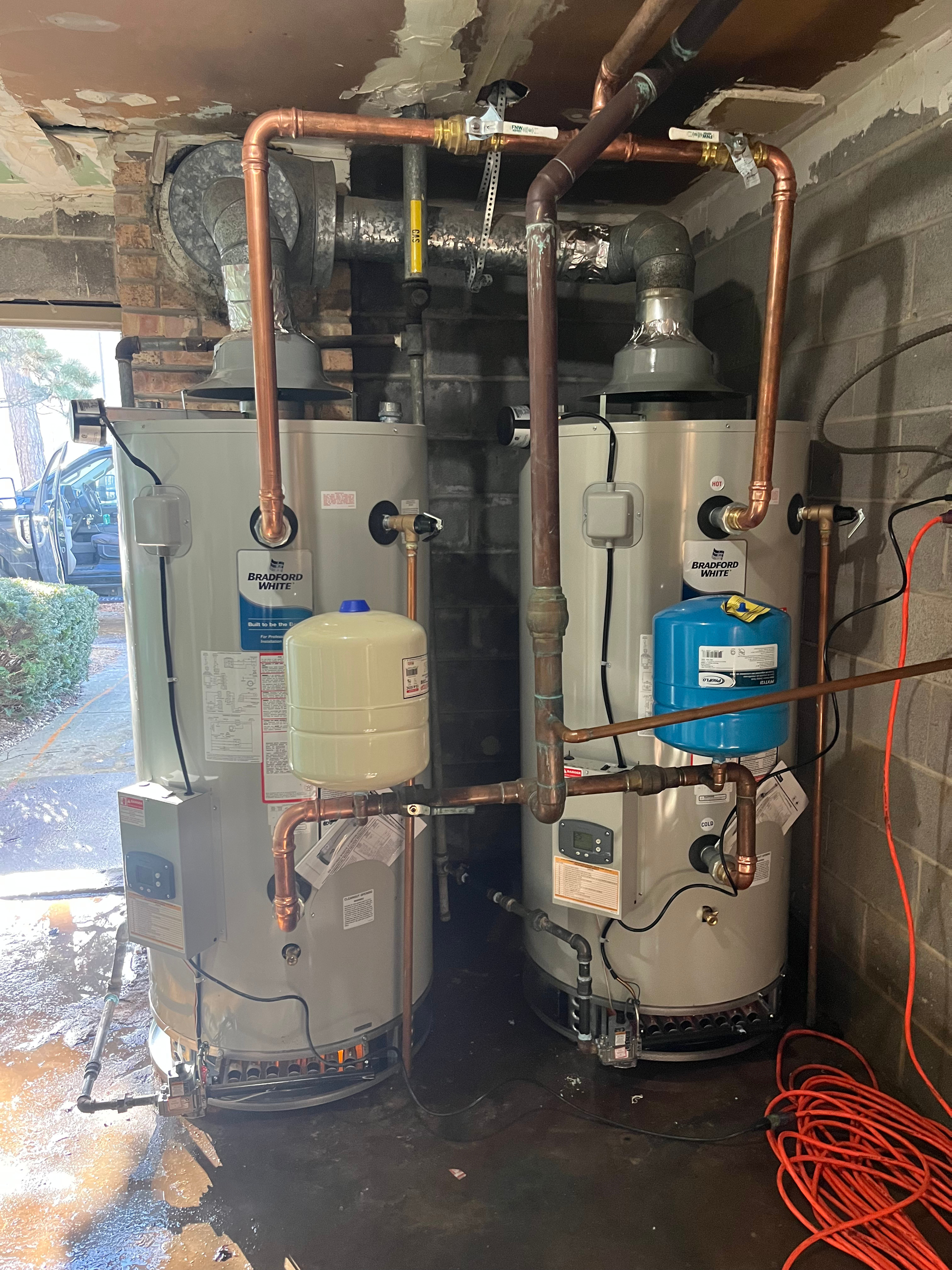
Repair or Replace? Knowing the Difference Saves You Money
Not every water heater problem means it needs to be replaced, sometimes it just needs a professional to check it out and solve the problem. Before starting any work, we always assess the issue and give you a clear diagnosis of what’s going on.
Signs Your Water Heater May Need a Repair
- Inconsistent water pressure during a shower or when using sinks
- Rumbling or banging sounds coming from the system
- The ignitor won't stay lit
- Minor drips coming from parts of the water heater
- Water taking longer than usual to heat up
- Water is rust colored
Signs Replacement May Be the Better Call
- The unit is 10–15 years old and is constantly having problems
- Tank leaking water
- A repair would cost more than half the price of a replacement
- Increasing energy bills for no apparent reason
- The unit can no longer produce the amount of hot water you need
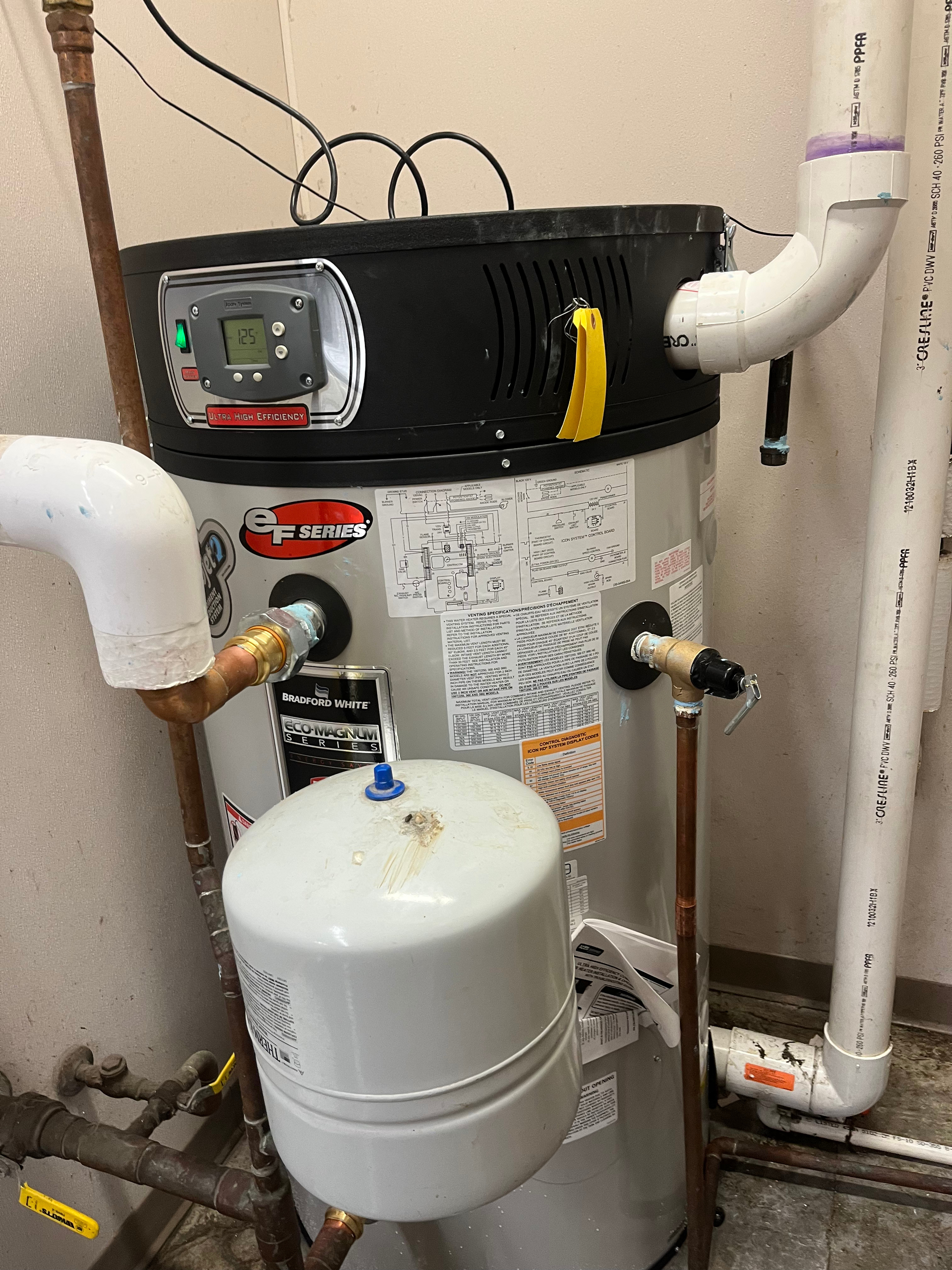
What Parts of a Water Heater Commonly Need to be Replaced
Thermostat Replacement
This controls the temperature of the water coming from the water heater. If it’s not working properly, your water may be too hot, too cold, or an inconsistent temperature.
Pilot Light and Igniter
If the igniter won’t stay lit or even spark, the heater never fires which means no hot water coming from the system.
Sediment Flushing
This requires draining any mineral buildup that is settled on the bottom of the tank. This usually causes some sort of rumbling coming from the system, and if left alone, it could decrease the amount of time you can use the water heater.
Heating Element Replacement
Electric water heaters have two elements that heat up the water. If the lower element burns out, you will receive a little hot water before it runs cold. If the upper element burns out, you will get no hot water coming from the system.
Gas Valve Replacement
Controls the amount of gas that gets to the burner. If this isn’t working, gas may not be able to flow to the burner properly, and water won’t be able to heat up.
Tank vs. Tankless Water Heaters
- Normally cheaper upfront cost
- Simple replacement in the future when necessary
- Lower effort in terms of maintenance
- Cheaper repairs
- It’s able to handle demand from multiple things at once well
Pros of a Tank Water Heater
- Usually lasts 8-12 years which is shorter than tankless water heaters
- You will run out when there’s no more water in the tank
- Takes up more space
- If the tank ever breaks, 40-80 gallons of water can go everywhere
Cons of a Tank Water Heater
- Typically lasts at least 15-20 years with annual descaling
- Doesn’t run out of water
- Frees up space
- No tank that could potentially flood your home
Pros of a Tankless Water Heater
- Typically is 2-3x more expensive upfront due to more expensive system and potential gas line and venting upgrades
- If water is being used at multiple points in the house, depending on the flow ability of your tankless system, the water temperature might not be very hot
- Annual maintenance, at the very least, is mandatory to remove mineral buildup and keep the unit working
Cons of a Tankless Water Heater
How We Handle Water Heater Installations
Step 1 — Assessment and Getting Necessary Permits
We start by going through your current system setup and figuring out what will work best for you in the future. An undersized unit will not meet your needs, and an oversized unit is just a waste of money, so we’ll do our best to find out what’s right for you. Then, if necessary, we will pull the proper permits and ensure we’re meeting all state and local codes.
Step 2 — Removal and Installation
The existing water heater is shut down, disconnected, and disposed of by us so you don’t have to worry about it. Then, we will handle the entire installation process and test it to make sure it’s working properly.
Step 3 — Test, Confirm, and Walk-Through
Once we get the unit up and running, we will test the hot water at multiple points in your home to ensure you’re getting hot water everywhere you should be. Then, we will walk you through your new water heater, give you recommendations for the future, and answer any questions you may have!
We make this process as simple and easy as possible for you. If there are any accommodations you’d like to request before the installation, feel free to let us know and we’ll do our best to make it work.
Water Heater Questions — Answered
How long does a water heater usually last?
Tank water heaters usually last 8-12 years with normal use and maintenance. Tankless water heaters usually last about 15-20 years depending on local water quality and how often it receives maintenance.
Should I replace my current setup with a tank or tankless water heater?
If you’re looking for a more affordable upfront cost or looking to move within the next 3-5 years, we usually recommend a tank water heater. If you’re looking to save money over time and planning on living in your current home for a long time, we will most likely recommend a tankless water heater. Feel free to reach out for more information.
How much do water heaters normally cost?
On average, water heaters usually cost anywhere from $2,200-$5,500.
How soon can you come out for a free estimate?
How soon can you come out for a free estimate? We will come out as soon as our schedule allows, and we will do our best to come out either the same day you contact us or in the next few days after reaching out. Contact us for more information.
How long does it take to install a water heater?
It usually takes us 2-4 hours to install a brand new water heater.
My water heater is leaking - What do I do?
My water heater is leaking - What do I do? If your water heater is leaking right now and you smell gas, leave your house immediately and call your gas utility company. If it’s leaking and there is no gas smell, follow these steps:
- Shut off the water to the unit.
Do this by shutting off the cold water valve on top of the unit. This should be the handle on the pipe going into the water heater. - Cut power if your water heater is electric.
Flip the water heater breaker on your panel. - Call us right away to help.
Do this as soon as you’re done with the steps above so we can come in and help right away to prevent any more damage to your water heater or your home.
Thank you! We received your request and will be in touch shortly.
Schedule A Water Heater Repair or Get a Free Installation Estimate
Whether your water heater is failing, needs a repair, or you're ready to upgrade to a new tank or tankless unit, we here at H2O Plumbing & Sewer Services are ready to help. Licensed, insured, and serving the Northwest Chicago suburbs since 2004.